Why Your Indoor Plants Are Wilting and How to Fix It
From drooping leaves to direct recovery: the essential guide to plant revival.
Crisis Navigator
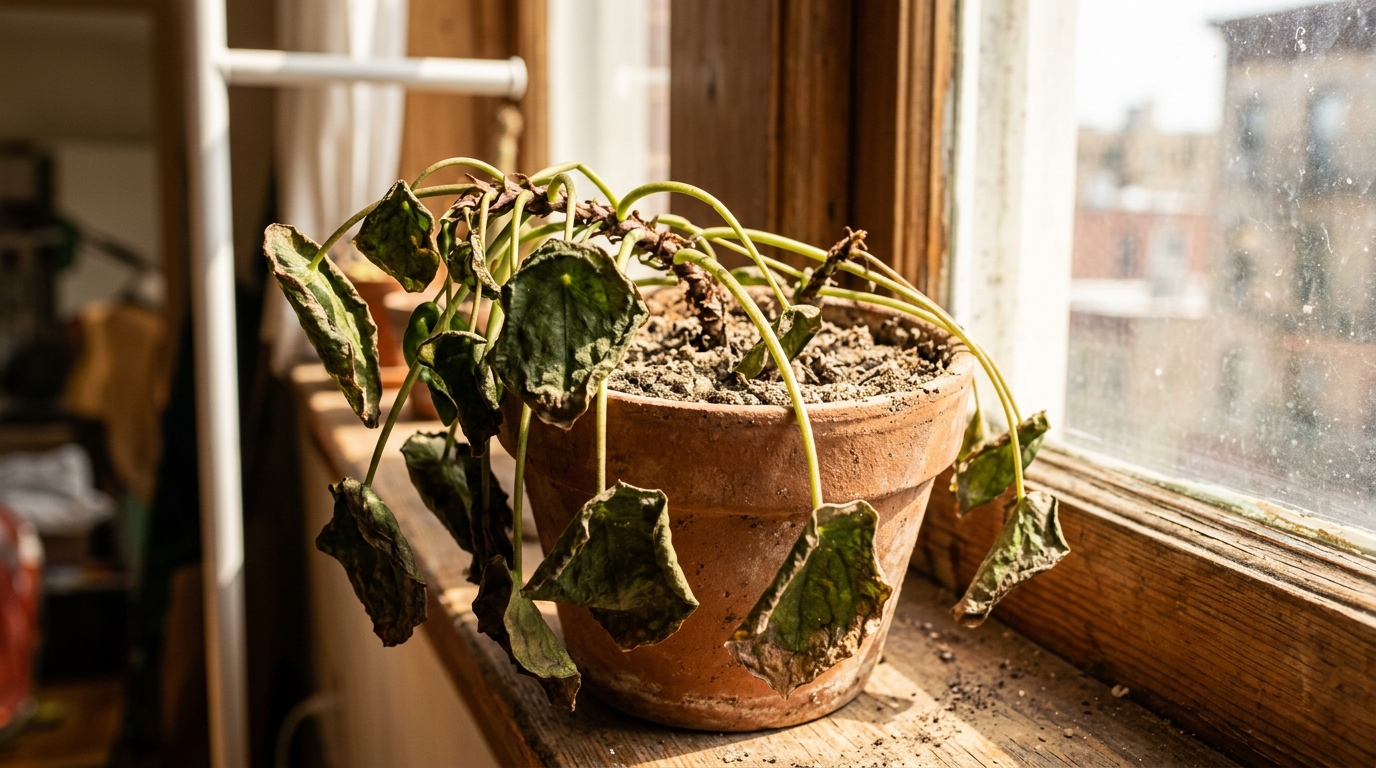
On September 12, 2025, I came home at 6 PM to find my Peace Lily (Spathiphyllum wallisii) lying flat. Every leaf had dropped to a horizontal position, the stem bases were limp, and the whole plant looked like it had been stepped on. I had watered it 3 days earlier, so my first thought was root rot. I pulled the chopstick from the soil -- it came out dry. The plant was simply thirsty. I watered it with 300 ml, and by 8 AM the next morning, every leaf had returned to its upright position. But three weeks later, my Pothos (Epipremnum aureum) wilted under completely different circumstances: the soil was wet, the chopstick came out damp, and the leaves were drooping despite adequate moisture. That time, the cause was root rot from a self-watering pot reservoir I had neglected to flush. Two wilting plants, two completely different causes, two completely different treatments. This guide walks you through the diagnostic process I use to identify why a plant is wilting and the specific fix for each cause.
What Wilting Actually Means at the Cellular Level
Wilting occurs when the water pressure inside plant cells (turgor pressure) drops below the level needed to keep cell walls rigid. Plant cells are like inflated balloons -- when full of water, they push against neighbours and tissue stays firm. When water leaves cells faster than it is replaced, cells deflate and tissue goes limp. The University of Minnesota Extension identifies two fundamental reasons: either the plant does not have enough water available (underwatering, root damage, or blocked uptake), or the plant is losing water faster than roots can replace it (heat stress, low humidity, or excessive transpiration).
The Wilting Diagnostic Flowchart I Use
Step 1: Check soil moisture with the chopstick test. Insert 5 cm into soil. Clean and dry = underwatering (Cause 1). Damp or wet = proceed to Step 2.
Step 2: Check room temperature and humidity. Above 38 degrees Celsius and below 25 percent RH = heat stress (Cause 2). Moderate temperature but wet soil = proceed to Step 3.
Step 3: Inspect the roots. Remove plant from pot. Healthy roots are firm and white/tan. Rotted roots are brown/black, soft, outer tissue slides off when squeezed. Brown and mushy = root rot (Cause 3). Healthy but wilting in wet soil = transplant shock or cold draft (Cause 4 or 5).
Cause 1: Underwatering -- The Easiest Fix
My Peace Lily on September 12 is a textbook example. It had been watered 3 days earlier with 300 ml, but ambient temperature had been 39 degrees Celsius for those 3 days, accelerating transpiration beyond the water supply. The chopstick came out bone dry at 5 cm. I applied 350 ml of room-temperature water and the plant recovered fully within 14 hours.
Recovery time: Most plants recover from underwatering wilting within 6 to 24 hours. Pothos typically recovers in 6 to 8 hours. Ferns may take 24 to 48 hours because their thin leaves continue losing water rapidly even after watering.
Cause 2: Heat Stress -- Water Is Not the Answer
On August 20, 2025, my Chinese Evergreen (Aglaonema commutatum) wilted at 3 PM when room temperature was 42 degrees Celsius. The chopstick showed moist soil at 5 cm. The plant was not underwatered -- it was experiencing heat stress wilting. At 42 degrees Celsius, leaf transpiration exceeded the root's maximum water uptake capacity.
The fix is not more water (soil is already moist). The fix is reducing the plant's water loss rate by lowering temperature. I moved the Chinese Evergreen to my bathroom (36 degrees Celsius, 45 percent RH) and placed a wet towel beside it. Within 4 hours, leaves partially recovered. By next morning, fully upright.
The Texas A&M AgriLife Extension notes that heat-stressed plants should not be watered beyond their normal schedule because impaired root function at high soil temperatures means they cannot absorb extra water, which then causes root rot.
⚠️ Common Mistake: Watering a heat-stressed wilting plant. In July 2025, my Monstera wilted from heat and I watered it extra. The combination of heat-damaged roots plus waterlogged soil caused root rot that killed the plant. Always check soil moisture before watering a wilting plant. If soil is moist, the wilting is heat-related and treatment is cooling, not watering.
Cause 3: Root Rot -- The Most Dangerous Type
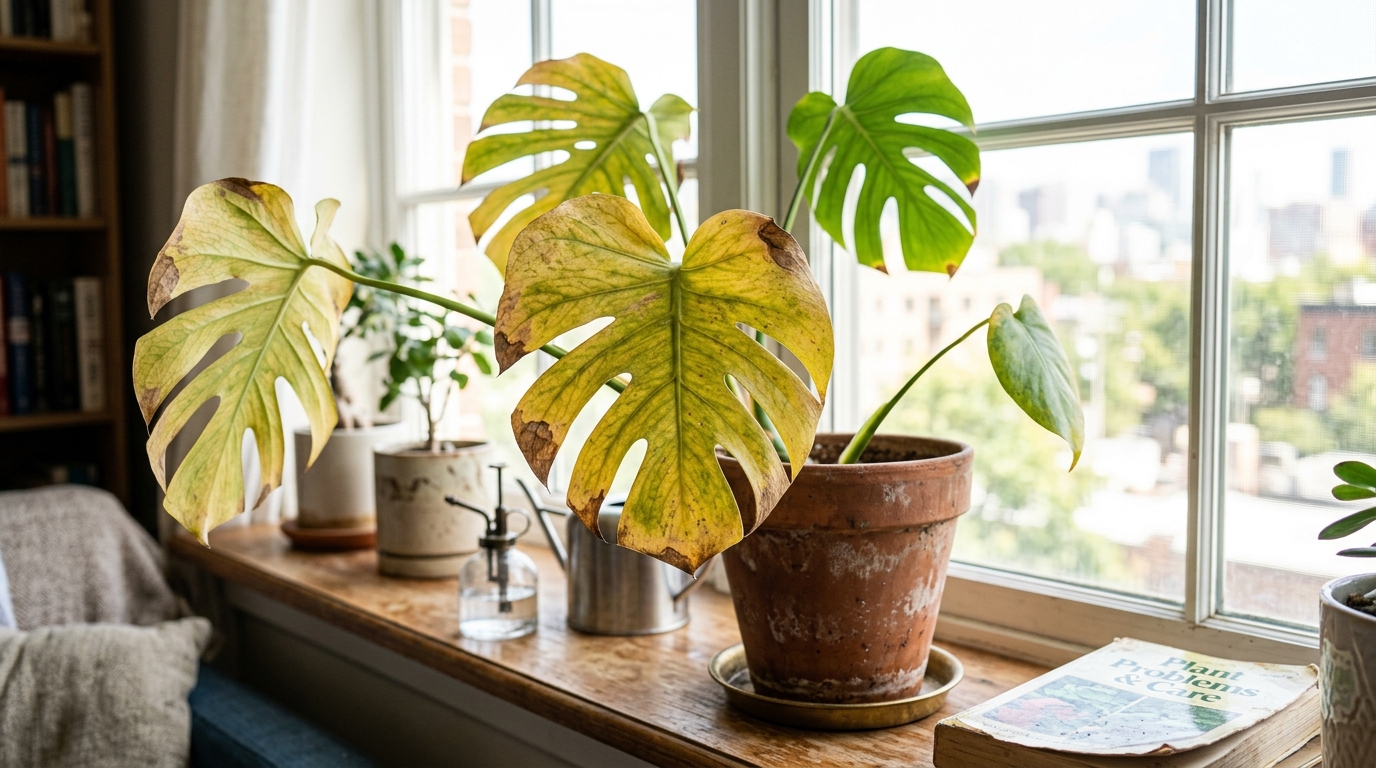
When a plant wilts, soil is wet, and roots are brown and mushy, the rotted roots cannot absorb water. This is the most dangerous form of wilting because the treatment is invasive.
My Pothos wilting in October 2025: soil damp at 5 cm, room at 32 degrees Celsius, 70 percent of roots black and mushy from a neglected self-watering reservoir. Treatment: cut away rotted roots, dip remaining roots in 3 percent hydrogen peroxide for 5 minutes, repot in fresh well-draining soil, do not water for 7 days. The Pothos recovered over 5 weeks.
Cause 4: Cold Draft -- The Surprise Factor
In November 2025, my Rubber Tree (Ficus elastica) wilted overnight. Soil was moist, room was 28 degrees Celsius, but the balcony door had been open the previous evening and cold north air (14 degrees Celsius) blew directly on the plant for 4 hours. Cold temperatures reduce root cell membrane permeability to water. I moved the plant 2 metres from the door and it recovered within 48 hours. The RHS environmental conditions guide warns that tropical houseplants exposed to temperatures below 15 degrees Celsius can suffer cellular damage.
Cause 5: Transplant Shock -- The Normal Wilting
After repotting, some roots are inevitably damaged. The reduced root system cannot absorb water at the pre-repotting rate, and the plant may wilt for 3 to 7 days. This is normal. After repotting my Spider Plant in August 2025, it wilted slightly for 5 days. I maintained normal care and on day 6 the leaves returned upright as regenerated roots resumed full water uptake. The NC State Extension transplant shock guide confirms that mild wilting for 3 to 7 days after repotting is normal and requires no intervention beyond maintaining normal care.
However, if wilting worsens after day 7 or the plant continues declining beyond 10 days post-repotting, the cause is not transplant shock -- it is likely root rot from overwatering the disturbed root system. At that point, remove the plant and inspect the roots.
Quick Reference: All Causes and Treatments
Quick Reference: Cause
- Cause: Underwatering — Soil Status: Dry at 5 cm, Key Symptom: Drooping, crispy edges, Treatment: Water thoroughly, Recovery Time: 6-24 hours
- Cause: Heat stress — Soil Status: Moist, Key Symptom: Drooping during peak heat, Treatment: Cool environment, do not add water, Recovery Time: 4-12 hours after cooling
- Cause: Root rot — Soil Status: Wet, Key Symptom: Persistent wilting, yellowing, musty odour, Treatment: Remove rotted roots, repot, Recovery Time: 3-8 weeks
- Cause: Cold draft — Soil Status: Any, Key Symptom: Sudden wilting after cold exposure, Treatment: Move to warm position, Recovery Time: 24-48 hours
- Cause: Transplant shock — Soil Status: Moist, Key Symptom: Mild wilting 1-2 days after repotting, Treatment: Maintain normal care, wait, Recovery Time: 3-7 days
🌱 Pro Tip: Keep a simple log of when each plant wilts and what the soil moisture was at the time. After 4 to 6 weeks, patterns emerge. My log revealed that my Peace Lily wilts predictably every 3 days at 38 degrees Celsius but every 5 days at 30 degrees Celsius -- a precise relationship I now use to plan watering proactively rather than reacting to wilting after it happens. We cover this topic in detail at identifying and treating root rot
Frequently Asked Questions
Q: Can a plant recover if leaves have gone crispy?
A: Fully brown crispy leaves are dead and will not recover. But the plant itself can recover and produce new leaves once the underlying cause is addressed. Trim fully crispy leaves only after the plant has recovered and started producing new growth.
Q: Should I fertilize a wilting plant?
A: No. A wilting plant is under stress and its root function is impaired. Fertilizer adds osmotic pressure that makes it harder for compromised roots to absorb water. Wait until the plant has fully recovered and is producing new growth before resuming fertilization.
Q: Is wilting always a problem?
A: Some plants wilt slightly during the hottest part of the day and recover in the evening as a normal response called temporary wilting. My Spider Plant droops approximately 15 degrees at 3 PM when temperatures peak, then returns to fully upright by 8 PM. As long as the plant recovers by evening, this is not harmful.
Q: Can pests cause wilting?
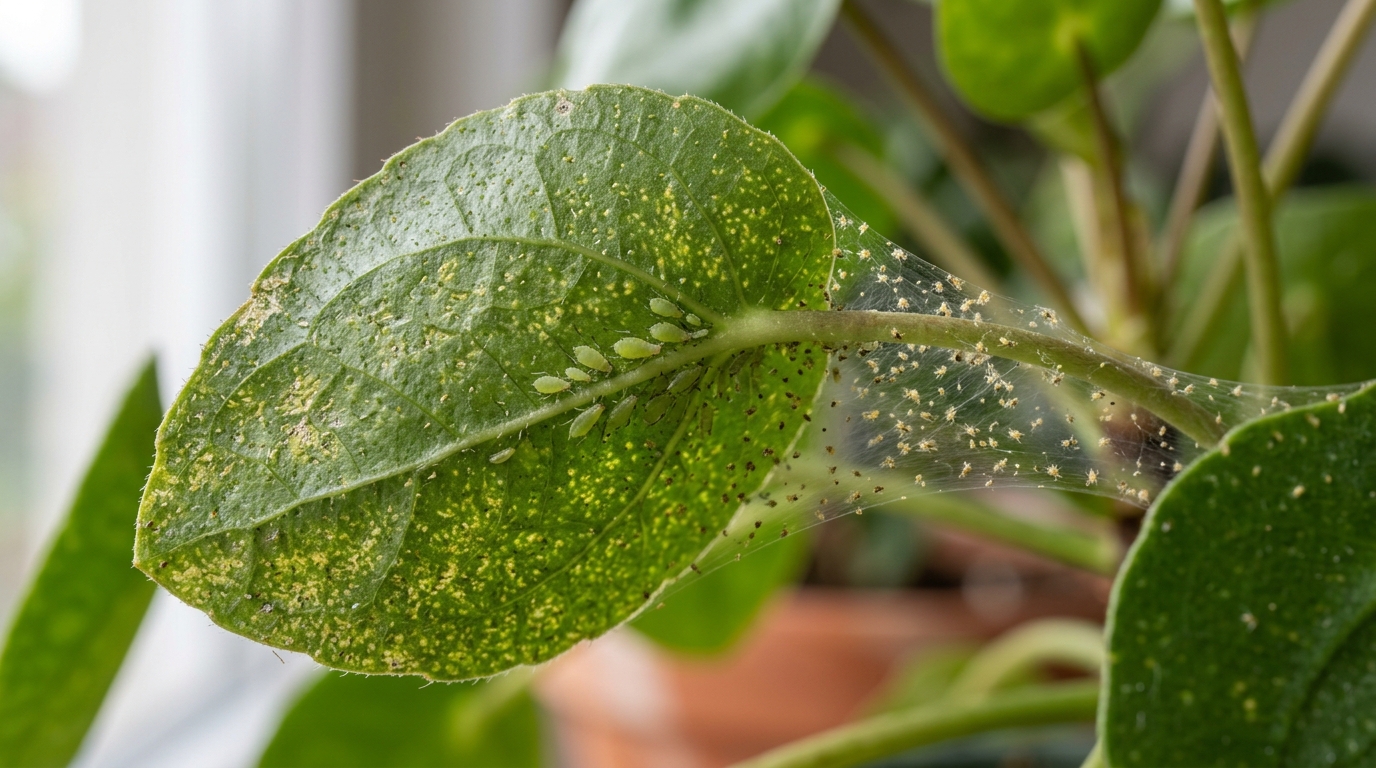
A: Yes, indirectly. Spider mites, mealybugs, and scale insects feed on plant sap, reducing water pressure in leaf cells. Heavy pest infestation can cause wilting that mimics underwatering. The key difference is visible pests on leaf undersides and normal soil moisture. Treat the pests rather than changing your watering.
Q: How do I prevent wilting during a heatwave?
A: Pre-water all plants thoroughly 12 to 24 hours before the heatwave begins. Move heat-sensitive plants to the coolest room, group them together for shared humidity, and use wet towels or frozen water bottles for additional cooling.